
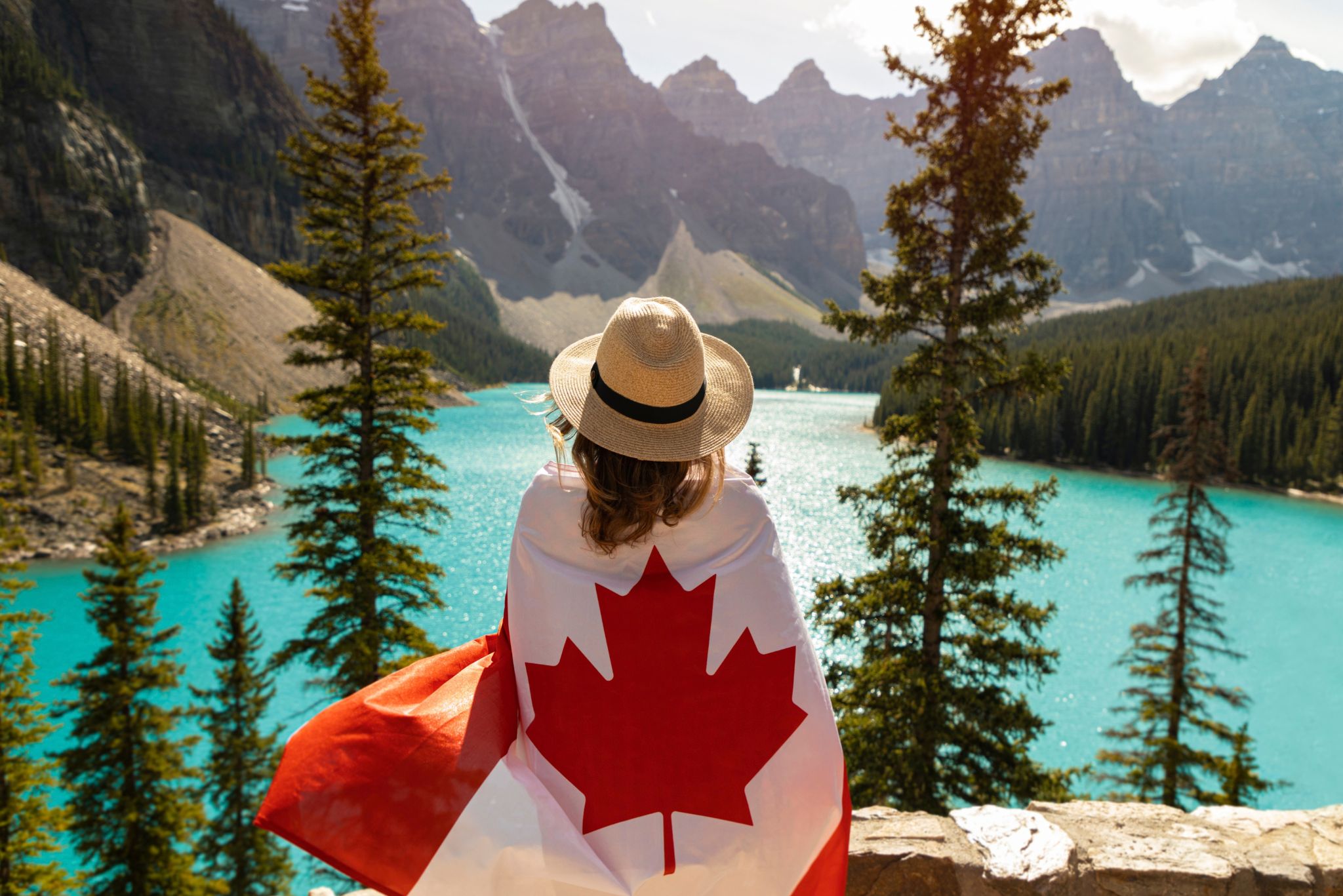
Canada is a dream destination: national parks, turquoise lakes, endless forests, and vibrant cities like Montreal, Toronto, and Vancouver. It's a truly beautiful place. But some preparation is essential before you go.
To ensure a smooth trip, here are our 5 tips for planning your itinerary and traveling without a hitch.
1. Anticipate distances: Canada is a continental country
The most common mistake when planning a first trip to Canada is underestimating its size. Canada is the second largest country in the world. Trying to visit the West Coast and Quebec in just two weeks means spending most of your vacation traveling.
What itinerary should I choose for a 10 to 15 day stay in Canada?
- Eastern Option (Culture and Nature): Focus on the "Eastern Triangle". Explore Toronto, admire Niagara Falls, then head back up towards Ottawa, Montreal, Quebec City and the Mauricie region.
- Western Option (Great Mountains): Prioritize the magnificent national parks of the Rockies (Banff, Jasper) by combining your road trip with the coastal city of Vancouver and Vancouver Island.
Golden rule: To fully enjoy each stage, limit your itinerary to a single administrative region or province per 15-day period.
2. Adapt your wardrobe: The weather and the "3-layer system"«
The Canadian climate is characterized by sometimes impressive temperature variations throughout the day. Even in July or August, morning temperatures in the mountains or by lakes can be very cool.
The onion technique for dressing effectively
To prepare for all weather conditions without overloading your suitcases, apply the 3-layer rule:
- A breathable layer: A technical or thermal t-shirt made of merino wool that wicks away perspiration.
- An insulating layer: A fleece jacket or a light down jacket to retain body heat.
- A protective layer: A waterproof and windproof jacket (Gore-Tex type) to cope with sudden downpours.
Don't forget to bring broken-in hiking boots and appropriate sun protection.
3. Administrative formalities in Canada: don't forget your eTA and insurance
Before boarding for Canada, two administrative steps are mandatory to avoid any delays at the airport.
The Electronic Travel Authorization (eTA)
French, Belgian, or Swiss citizens do not need a tourist visa for stays of less than six months, but must hold a valid ID card. AVE linked to their passport.
- Where can I request it? Submit your application exclusively on the official Government of Canada website (Canada.ca).
- Price and delivery time: The eTA costs CAD 7 (approximately €5) and approval is usually delivered by email within minutes. Beware of unofficial websites that charge exorbitant intermediary fees.
Travel and health insurance
Medical costs in Canada are among the highest in the world. A simple emergency room visit or hospitalization can cost several thousand dollars. It is strongly recommended to purchase travel insurance that includes repatriation and medical expense coverage up to at least €100,000.
4. Mobile connection: Avoid roaming charges in Canada
Using a European mobile plan in Canada without a specific option will incur roaming charges (roaming) very high. Accessing Google Maps, booking activities or sharing photos can quickly lead to significant overage charges.
Why choose a prepaid eSIM for Canada?
Rather than buying a local SIM card upon arrival and risking losing your usual SIM, eSIM technology allows you to download a Canadian data plan online before you leave.
- Instant activation: Upon your arrival at Montreal-Trudeau or Vancouver airport, your phone connects to the local 4G/5G network.
- Keeping your number: Your physical SIM card remains active in your smartphone, allowing you to receive important SMS messages (bank codes, notifications) while browsing the internet with the eSIM.
Practical tip: Prepare for your arrival with complete peace of mind with our Canada eSIM package at a local rate and without obligation.
5. Safety in nature: Observe wildlife safely
Canada is home to exceptional wildlife: black bears, grizzly bears, moose, whales, and wolves. In national parks (managed by Parks Canada), you'll be exploring the natural habitat of these animals.
Hiking safety rules
- Keep your distance: Never approach a wild animal to take a picture. Use a telephoto lens or binoculars.
- Make some noise: On hiking trails, signal your presence by speaking loudly or clapping your hands so as not to surprise a bear.
- Store your waste: Always use the bear-proof bins provided in the parks and do not leave any food unattended at your campsite.
Frequently Asked Questions (FAQ): Preparing for your stay in Canada
What is the best time to visit Canada?
- From June to September: Ideal for hiking, camping, whale watching and mild temperatures.
- From mid-September to mid-October: The Indian summer period offers spectacular landscapes with autumn foliage in Quebec and Ontario.
- From December to March: Perfect for winter sports, dog sledding and snowy landscapes.
Is it easy to pay by credit card in Canada?
Yes, bank cards are accepted absolutely everywhere, even for very small amounts. Remember to check with your bank about fees for payments outside the Eurozone, or opt for a bank card with no international fees. Also note that prices displayed in stores are before tax (taxes of 5 to 15 are added at the time of payment).
What should I do if I'm planning a cross-border road trip with the United States?
If your trip includes crossing a border into the United States (for example, visiting Niagara Falls or traveling to Seattle), you will need an ESTA authorization for entry into the US. If you want to maintain the same internet connection on both sides of the border, consider a North American eSIM plan that covers both Canada and the United States.
Ready to explore the vast Canadian wilderness?
Planning a trip to Canada is essential to making the most of it. By defining a coherent itinerary and securing your internet connection before departure, you can ensure a memorable stay.
👉 Choose your eSIM Canada on Miio and receive your activation QR code immediately by email