
Visiting Vietnam in 15 days: Tips, itinerary and travel advice
Vietnam is not just visited, it is experienced. Whether you are a history buff, a food lover (the street food Whether you're a legendary Vietnamese traveler or an adventurer seeking breathtaking landscapes, a 10- to 15-day tour will allow you to grasp the very essence of the country. Buckle up (or put on your scooter helmet): here's the ultimate guide to planning your Vietnam itinerary.
1. The North: Authentic soul and breathtaking landscapes
The historical heart of Vietnam beats in the North. This region is famous for its impressive landscapes, preserved traditions, and ancestral culture.
Hanoi: The vibrant capital
Hanoi, the ancient soul of the country, is an unmissable stop that blends urban frenzy and serenity.
-
Don't miss it: The Old Quarter and its themed streets, Hoan Kiem Lake at sunrise, and the Temple of Literature.
-
On the culinary front: Taste the famous Bun Cha (grilled pork and noodles) or traditional egg coffee (Ca Phe Trung).
Halong Bay or Lan Ha Bay
A UNESCO World Heritage Site, Ha Long Bay impresses with its thousands of karst peaks rising from emerald waters. To escape the crowds, opt for its neighbor, the Lan Ha Bay. Less frequented but just as spectacular, it allows for a two-day cruise with kayaking trips and swimming in secluded coves.
Ninh Binh: The "Halong Bay on land"«
Just two hours from Hanoi, Ninh Binh (and the Trang An site) offers a magical setting where immense rock formations rise amidst verdant rice paddies and rivers. A ride in a traditional rowboat (guided by locals) through the natural caves of Tam Coc is a peaceful and unforgettable experience.
Sapa and the Ha Giang Loop: The kingdom of rice paddies and mountain passes
For a high-altitude immersion experience:
-
Sapa: Ideal for hiking amidst terraced rice paddies and meeting local ethnic groups.
-
The Ha Giang loop: The dream destination for adventurers, famous for its spectacular mountain passes (like the Ma Pi Leng pass) overlooking breathtaking gorges to be explored by motorbike or private driver.
2. The Center: Imperial Cities, Giant Caves, and Colorful Lanterns
After the energy of the North, the Centre offers a cultural, geological and relaxing interlude.
Hue: The former imperial capital
The former capital of the Nguyen dynasty emperors, Hue is the spiritual center of the country. Don't miss a visit to the Imperial City and treat yourself to a boat trip on the Perfume River to reach the Thien Mu Pagoda and the royal tombs.
Phong Nha-Ke Bang National Park: A speleologist's paradise
For lovers of unspoiled nature, the park of Phong Nha-Ke Bang It is home to the oldest karst mountains in Asia and the largest caves in the world (including the famous cave Son DoongYou can explore Paradise Cave there (Thien Duong) or go kayaking in the Phong Nha cave, a setting worthy of an adventure film.
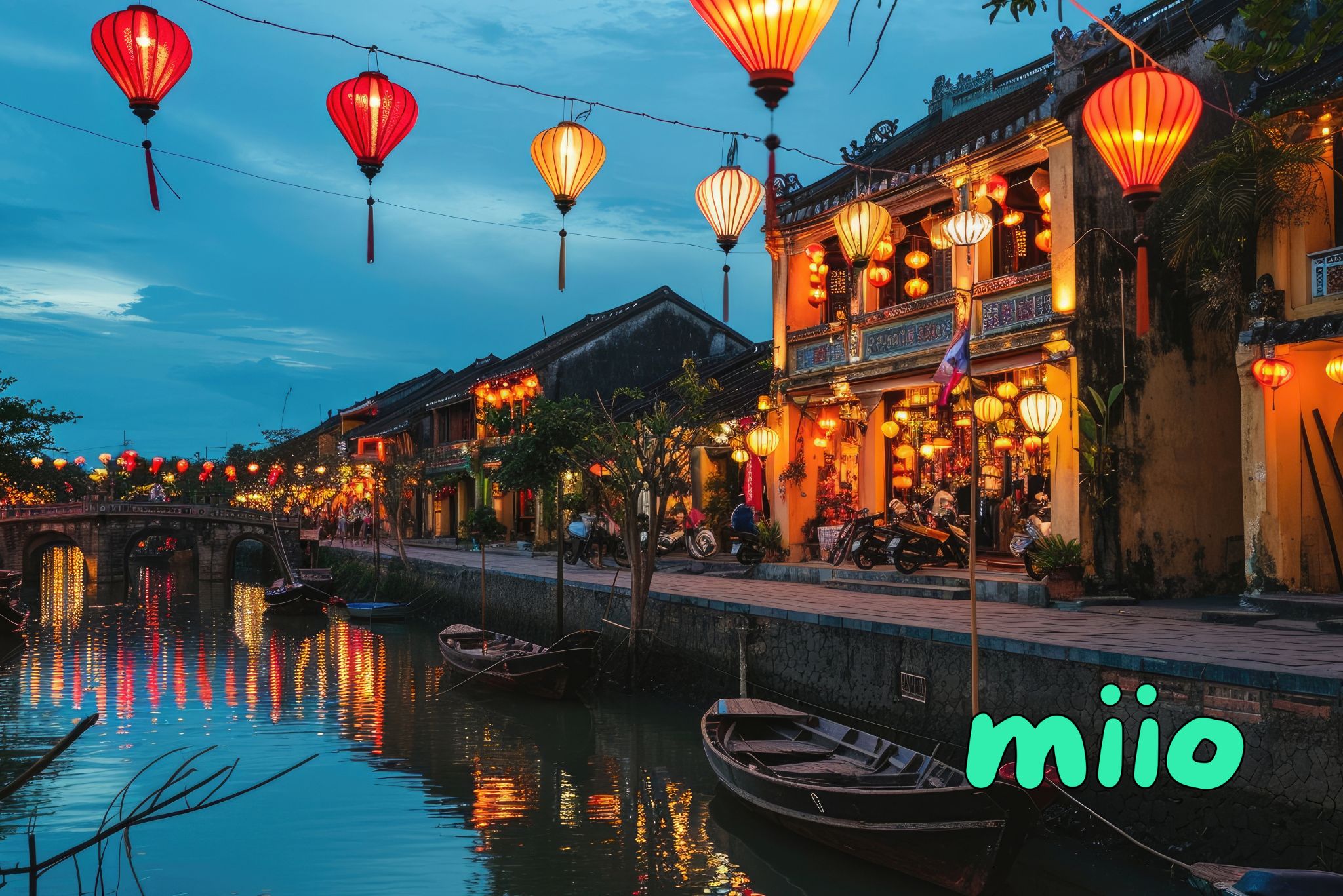
Hoi An: The City of Lanterns
Hoi An immediately charms with its preserved architecture with Chinese, Japanese and colonial influences.
-
To do: Cross the Japanese Covered Bridge, have a custom-made garment made by a local tailor, and admire the thousands of colorful lanterns illuminating the old town at nightfall.
-
To try: THE Cao Lau, a unique noodle specialty available only in this city.
Quy Nhon: Wild beaches without tourists
Still largely untouched by mass tourism compared to Nha Trang, the coastal city of Quy Nhon It offers sublime sandy beaches, rocky cliffs (Ky Co, Eo Gio) and ancient Cham towers nestled in the countryside. It's the perfect stopover for relaxing by the sea in a truly authentic way.
3. The South: Modernity, tropical nature and paradise islands
In the South, the climate becomes milder, the air warms up and the pace of life slows down.
Ho Chi Minh City (Saigon): The bustling metropolis
Saigon, Vietnam's economic powerhouse, surprises with its modern skyscrapers standing alongside colonial buildings like Notre Dame Cathedral and the Central Post Office. It's the perfect place to explore night markets and discover modern history at the War Remnants Museum.
The Mekong Delta and Tram Chim National Park
Nicknamed the "rice bowl" of the country, the Mekong Delta is best explored by taking to the water.
-
Floating markets and canals: Embark on a longtail boat to explore the canals lined with water coconut palms and visit the Can Tho floating market at sunrise.
-
Tràm Chim: For bird and nature enthusiasts, this national park protects incredibly rich tropical wetlands where hundreds of rare species nest, including the short-necked crane.
Phu Quoc Island: Relaxation and Sunsets
Located in the far south, on the border with Cambodia, Phu Quoc is the largest island in Vietnam. With its palm-fringed beaches (like Sao Beach), its turquoise waters and its night markets specializing in fresh seafood, it is the ideal place to end your 15-day itinerary with your feet in the water.
4. Practical tips for organizing your trip to Vietnam
Which itinerary should I choose depending on the length of my stay?
-
In 10 days: Focus on the essentials: Hanoi, Halong Bay, Hoi An, and Ho Chi Minh City. Take a domestic flight between Hanoi and Da Nang to optimize your travel.
-
In 15 days: You can include Ninh Binh in the North, explore Phong Nha in the Central region, and dedicate 2 to 3 days to relaxing in Phu Quoc in the far South. But ideally, if you like to take your time, we recommend staying in 1 or 2 locations to truly discover each area.
When to go to Vietnam?
-
From December to April (Best period): It is the dry season across most of the country. Temperatures are mild in the North (20-25°C) and hot in the South (30°C).
-
From May to October: The rice paddies display a vibrant green, perfect for photographs, but beware of frequent monsoon showers at the end of the day.
5. Frequently Asked Questions (FAQ): Preparing for your trip to Vietnam
How to stay connected to the internet throughout the entire trip?
Access to public Wi-Fi in cafes and hotels can be unreliable. To enjoy high-speed internet access as soon as you get off the plane without changing your physical SIM card, the simplest solution is to install a international eSIM. If you plan to visit other neighboring countries (Thailand, Cambodia, Laos), opt for a eSIM package Asia which will cover all of your travel expenses.
Do I need a visa to visit Vietnam?
French citizens are exempt from visa requirements for short stays (up to 45 days). For longer stays, an e-visa (electronic visa) can be easily obtained online through the official Vietnamese government website.
How to cross the street safely in Hanoi or Saigon?
In Hanoi or Saigon, the flow of scooters can be daunting. The secret is to walk steadily and slowly, without sudden movements or running. Drivers will anticipate your path and naturally go around you.
Ready to explore the wonders of Vietnam?
To travel with peace of mind and share your best memories in real time, don't let the costs of roaming waste your budget.
 Order your prepaid Vietnam eSIM on Miio and enjoy instant activation in 2 minutes!